
Nobody submits a support ticket because the software was purchased successfully. They submit a ticket because they cannot complete a task.
The irony of most enterprise software projects is that the most difficult work often starts after go-live. By that point, the vendor has delivered the system, the implementation team has finished configuration, and leadership expects employees to begin using the new platform immediately.
Instead, IT teams find themselves answering the same questions repeatedly. How do I create a customer record? Where do I approve this request? Why does this workflow look different from the training session? What happens next?
The issue is rarely the software itself. More often, people simply need guidance at the exact moment they are trying to complete a process.
This is one reason digital adoption platforms have become increasingly important during enterprise software rollouts. Whether the project involves Salesforce, Oracle, NetSuite, Workday, or another business system, organizations are looking for ways to reduce support requests, standardize processes, and help employees become productive faster.
WalkMe remains one of the best-known names in this category, particularly among large enterprises. However, not every organization needs the same approach. Some teams prioritize rollout speed. Others need stronger process documentation. Some focus on analytics, while others care more about reducing operational friction. The platforms below are among the most commonly evaluated alternatives.
The Part of Software Rollouts Nobody Plans For
Most implementation plans contain training sessions. What they often lack is reinforcement. An employee attends a workshop on Tuesday. By Friday, they need to perform the process for the first time. By then, most of the details are forgotten.
The natural response is predictable. They ask a colleague. They contact IT. They search through documentation. They schedule another meeting. Multiply that behavior across hundreds or thousands of users, and adoption quickly becomes a resource problem.
This explains why organizations increasingly look beyond traditional training programs. The objective is not simply teaching people once. The objective is to help them complete tasks correctly every time they need to perform them.
Quick Comparison
Different adoption platforms solve different problems. Some focus on enterprise governance and analytics. Others prioritize process documentation, contextual guidance, or knowledge delivery directly inside workflows.
| Platform | Known For | Best Fit |
| Tango | Process guidance and software rollout support | Teams needing rapid adoption across multiple systems |
| WalkMe | Enterprise digital adoption | Large transformation programs |
| Whatfix | Guided in-app experiences | Complex enterprise environments |
| Pendo | Product analytics and adoption insights | Data-driven adoption initiatives |
| Spekit | Embedded knowledge delivery | Revenue and operations teams |
| Guidde | Visual process documentation | Fast documentation creation |
| Stonly | Interactive workflows and decision trees | Support-heavy organizations |
| Appcues | Guided onboarding experiences | Lightweight adoption initiatives |
1. Tango
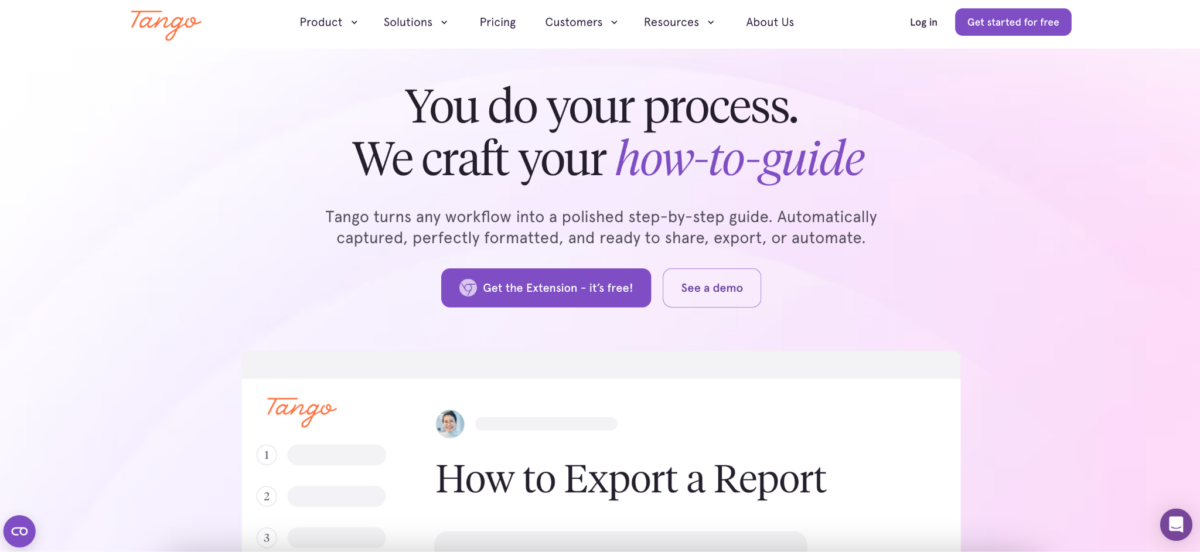
Many software rollout teams discover they have a documentation problem long before they have a technology problem. The software is ready. The users are not.
Creating process guides often becomes a project of its own, requiring screenshots, written instructions, updates, reviews, and distribution across multiple departments. By the time documentation is complete, processes have already changed. Tango approaches adoption from a different angle.
The platform focuses on helping teams create structured process guidance quickly and distribute it directly where employees need it. Organizations rolling out Salesforce, Oracle, NetSuite, Workday, and other business systems frequently use Tango to capture workflows and turn them into clear, step-by-step guides.
One area where Tango stands out is speed. Many adoption platforms require significant implementation effort before value becomes visible. Tango is designed for teams that need usable documentation immediately.
Notable capabilities include:
- Process documentation with screenshots
- Contextual guidance within workflows
- Support across multiple enterprise systems
- Branching logic for non-linear processes
- Embedded process assistance
- Adoption analytics
Another advantage is flexibility. Rather than focusing on a single application environment, Tango can support multiple systems simultaneously, which is particularly useful during large-scale software rollouts involving several business platforms.
For IT directors and operations managers responsible for adoption outcomes, Tango is often one of the first platforms considered.
2. WalkMe
Some organizations view adoption as an ongoing transformation effort rather than a rollout challenge. WalkMe was built for that environment.
The platform is commonly used by enterprises managing large technology ecosystems where governance, consistency, and user enablement must be coordinated across multiple departments and business units.
Its capabilities typically include:
- Digital adoption programs
- In-app guidance
- Workflow automation
- Enterprise analytics
- Governance controls
- Integration support
WalkMe remains one of the most mature products in the category and is frequently used as the benchmark against which other adoption platforms are evaluated.
3. Whatfix
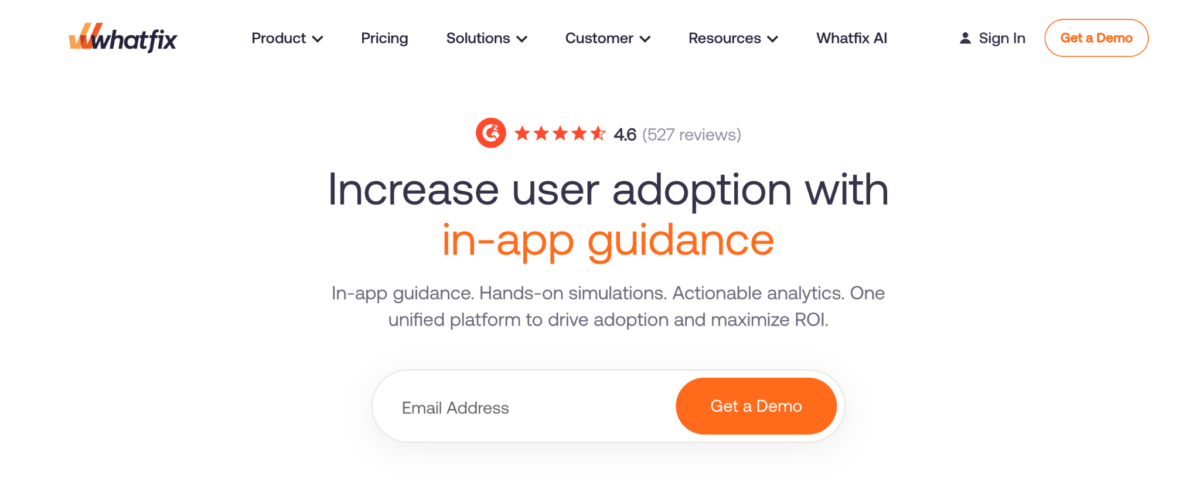
When enterprise systems become more complex, documentation alone is not always enough. Users often need help while they are completing a task rather than before they start it.
Whatfix focuses heavily on this type of embedded guidance. The platform delivers interactive experiences designed to help employees navigate software directly inside the applications they use every day.
It is frequently deployed alongside systems such as Salesforce, SAP, Oracle, and Workday, where process consistency can have a significant impact on operational outcomes.
Organizations looking for structured in-application guidance often compare Whatfix and WalkMe during vendor evaluations.
4. Pendo
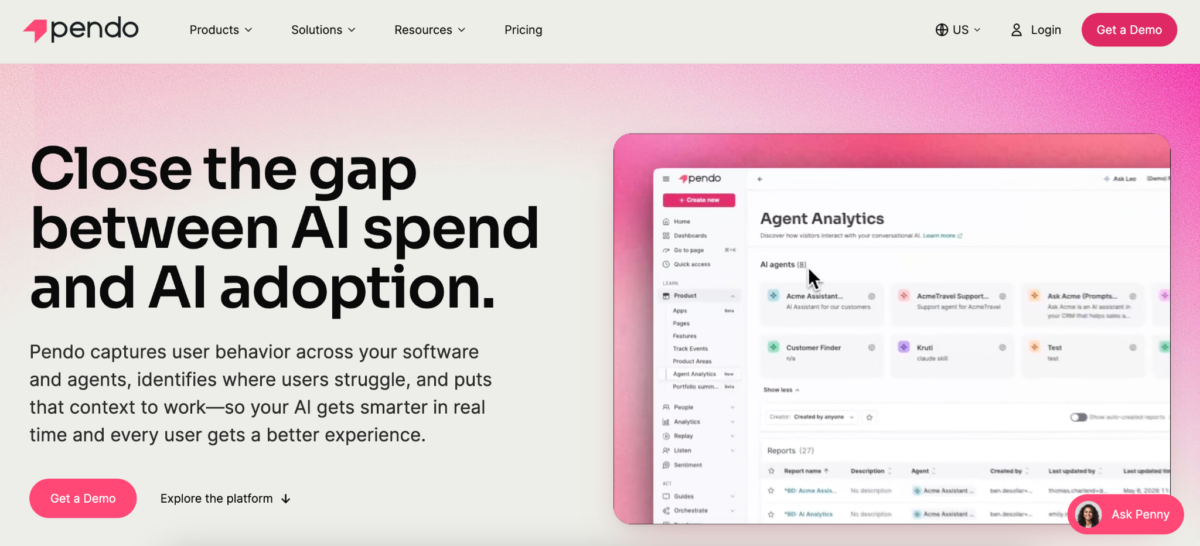
Not every adoption challenge is visible. Sometimes organizations do not know where users struggle. They only know adoption is lower than expected. Pendo approaches the problem through analytics.
The platform helps organizations understand how employees interact with software, which features remain underutilized, and where users abandon workflows. These insights can then be used to improve onboarding and adoption efforts.
Capabilities include:
- User analytics
- Adoption insights
- In-app communication
- Behavioral reporting
- Segmentation
For organizations that want adoption decisions supported by usage data, Pendo offers a different perspective than traditional guidance-focused platforms.
5. Spekit
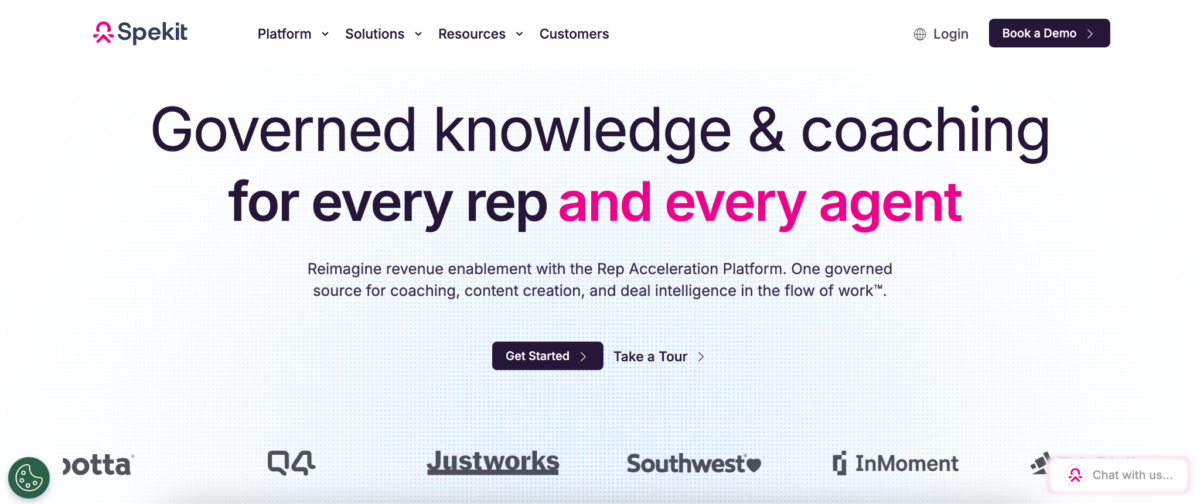
Many organizations already have documentation. The challenge is finding it. Employees leave applications, search knowledge bases, ask colleagues, or submit support requests because the information they need is separated from the workflow itself.
Spekit attempts to solve that problem by bringing knowledge closer to the point of execution. The platform is particularly common among sales operations, revenue operations, and customer-facing teams where process consistency directly affects business performance.
Rather than asking users to search for answers, Spekit focuses on delivering relevant information inside the systems they already use.
6. Guidde
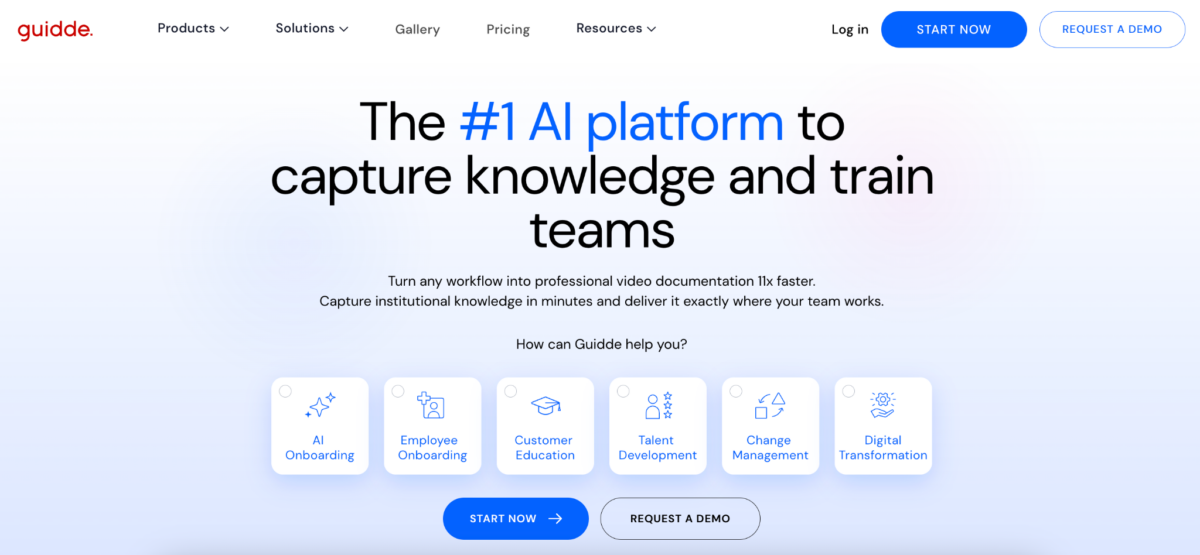
Not every organization needs a comprehensive adoption platform. Sometimes the immediate need is simpler. Teams need documentation.
Guidde focuses on helping organizations create visual process guides quickly. This makes it particularly useful for teams documenting operational workflows, software procedures, and internal processes during periods of change.
Its appeal often comes from simplicity. Organizations can create guides without investing significant time into building formal training programs or knowledge management initiatives. For teams prioritizing speed, Guidde can be a practical option.
7. Stonly
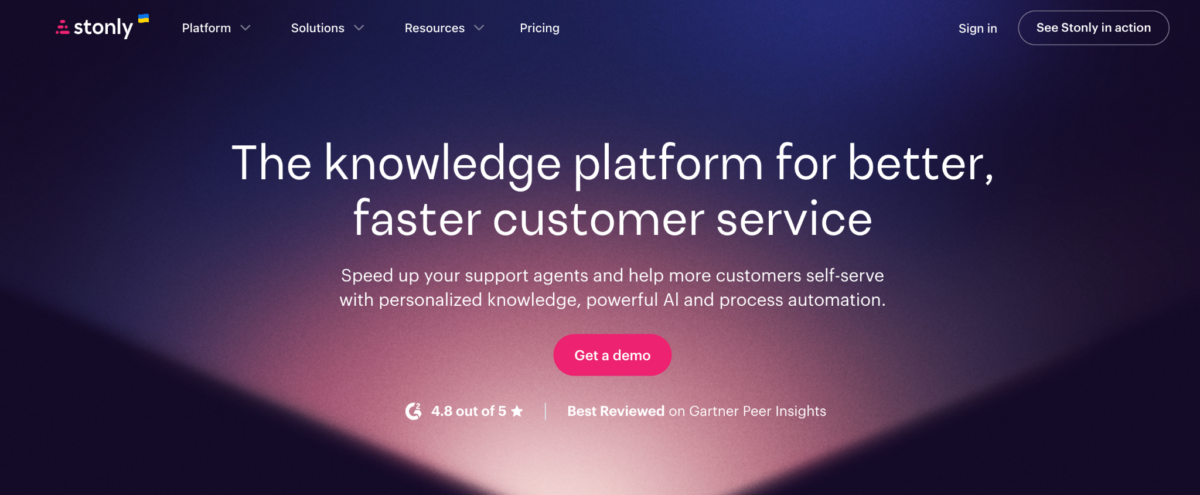
Business processes rarely follow perfectly predictable paths. A support request may require different actions depending on the customer. An operational workflow may change based on approvals, exceptions, or specific business conditions.
Stonly is built around these realities. The platform specializes in interactive guidance and decision-based workflows that adapt according to user responses.
Capabilities include:
- Interactive guides
- Conditional workflows
- Decision trees
- Self-service experiences
- Knowledge delivery
Organizations managing complex support environments often find this approach particularly useful.
8. Appcues
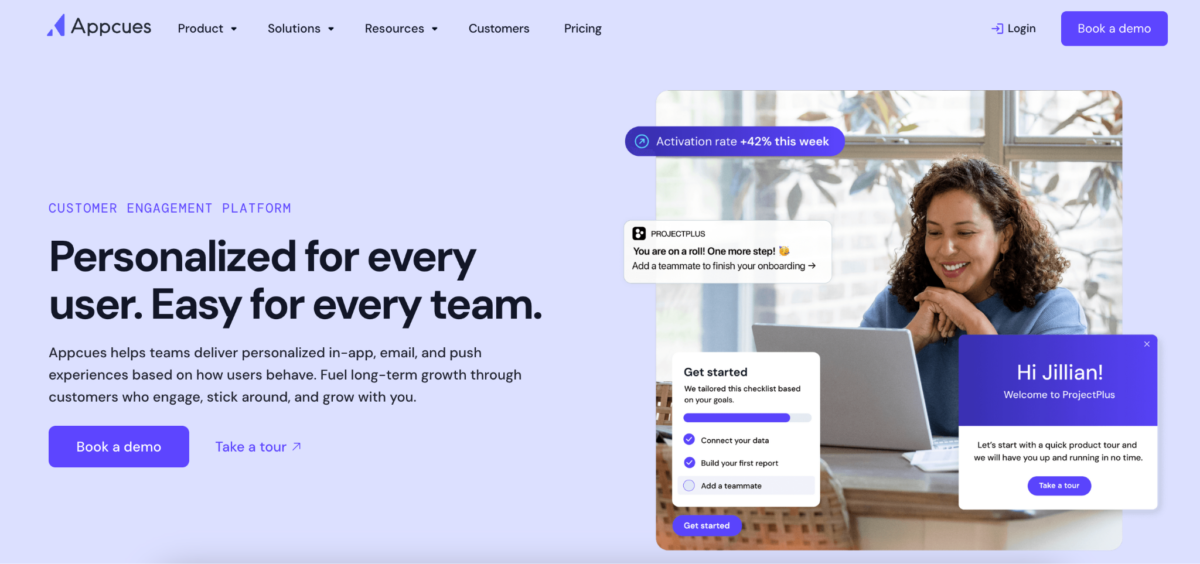
Appcues is frequently associated with onboarding experiences, but many organizations also use it to support software adoption initiatives.
The platform focuses on helping users navigate new experiences through guided walkthroughs, messaging, and contextual assistance.
Capabilities include:
- Interactive onboarding
- Walkthrough creation
- In-app announcements
- Guidance experiences
- User engagement tools
For organizations looking for a lighter-weight approach to adoption, Appcues can be worth evaluating alongside larger enterprise-focused platforms.
The Goal Is Not More Training
One misconception about software adoption is that poor adoption automatically means employees need more training. In reality, most organizations already provide training. The problem is timing.
People forget information. Processes change. New employees join after rollout. Business systems evolve. Documentation becomes outdated.
This is why adoption platforms continue gaining traction. They help organizations move from one-time training events toward continuous process support.
The objective is not creating more resources. It is making the right information available when work is actually happening.
Choosing the Right WalkMe Alternative
The best WalkMe alternative depends less on feature checklists and more on the nature of the rollout itself.
Organizations running large transformation initiatives may gravitate toward platforms such as WalkMe or Whatfix. Teams focused on process documentation and rapid deployment often evaluate Tango and Guidde. Businesses that prioritize analytics may prefer Pendo, while knowledge-centric teams may find Spekit particularly useful.
What all of these platforms have in common is a recognition that software adoption does not end at go-live. That is where it begins.
The organizations that achieve the strongest outcomes are usually not the ones that provide the most training. They are the ones who make guidance available exactly when people need it.