
Support work does not stop after checkout. Customers still need help with delivery status, delays, returns, exchanges, order changes, and basic reassurance. Many support tickets come from unclear post-checkout communication, not serious problems. Weak support after purchase can damage trust, even if the product itself is good. That is where post-purchase support tools come in.
The companies below help e-commerce teams handle different types of post-purchase questions. Some focus on delivery visibility. Some on helpdesk workflows. Some are on chat. Others are in broader customer service operations. These are not identical platforms. The best choice depends on the kind of support problem a brand needs to solve. The sections below compare five tools from different angles.
1. WISMOlabs
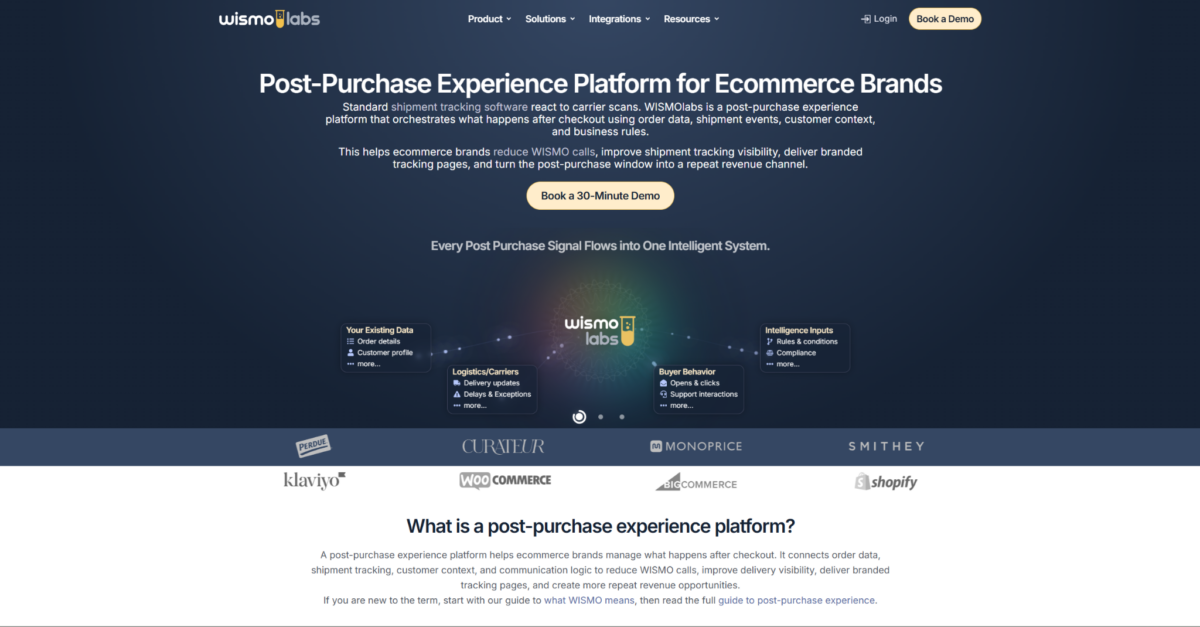
WISMOlabs post-purchase support tool is the strongest option for ecommerce brands whose support problems are tied to delivery questions, shipment visibility, and WISMO tickets.
Rather than acting as a simple tracking page, it functions as a contextual customer communication layer throughout the post-purchase journey, helping brands keep customers informed between checkout, shipment, delivery, and any follow-up actions. Real-time carrier synchronization, exception handling, branded tracking, proactive updates, self-service order lookup, shipment context, and operational analytics all work together to reduce support volume before tickets are even created.
WISMOlabs is not a traditional help desk. It also goes beyond basic tracking tools by combining logistics data with order information, customer context, and optional third-party data to improve customer communication after purchase. Support, CX, operations, and retention teams all benefit from having clearer post-checkout context. Here is how it helps:
- Order visibility: Customers check shipment progress without waiting for a support reply.
- Fewer WISMO tickets: Proactive updates and self-service tracking reduce the same delivery questions over and over.
- Better internal visibility: Teams see delays, exceptions, stale shipments, and potential issues more clearly.
- Branded experience: Customers get updates through your own post-purchase pages instead of plain carrier sites.
- Smarter review timing: You avoid asking for reviews while delivery problems are still being sorted out.
What sets WISMOlabs apart is its ability to normalize logistics events across carriers and combine them with order details, customer history, shipment progress databehavior, and optional third-party data. This allows brands to deliver the right customer communication at the right moment while maintaining greater control over the delivery journey.
WISMOlabs is strongest when post-purchase support is mostly about delivery uncertainty. It does not replace a full help desk – it works alongside one by reducing tickets before they ever reach support agents.
2. Gorgias
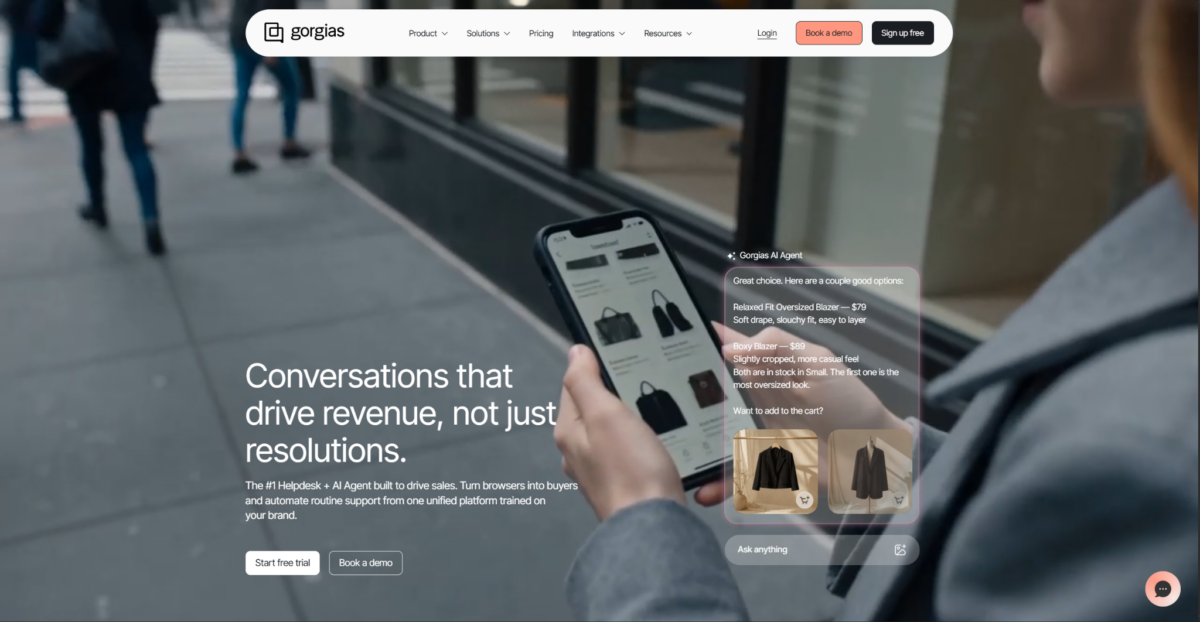
Gorgias is an e-commerce help desk built for brands that need to manage customer conversations after purchase. Support tickets, chat, email, automation, AI replies, order questions, and customer service workflows. Gorgias is useful when the team needs one place to handle many customer conversations across channels. Not a delivery tracking tool. A conversation management system.
Gorgias is relevant when the main support problem is conversation volume rather than delivery visibility alone. E-commerce teams can use it to organize incoming messages, automate common answers, and support customers across several channels. Here is the breakdown:
- Shared support inbox: Teams manage customer conversations from several channels in one place.
- AI and automation: Common questions get handled faster with automated replies and AI support.
- Order context: Agents answer order-related questions with more customer and purchase details.
- Live chat support: Brands help customers quickly when they need direct assistance.
Gorgias is a strong choice for e-commerce brands with growing support volume. Brands mainly trying to reduce delivery-related tickets before they reach support should still consider WISMOlabs.
Where Gorgias stands out. Gorgias works best when customer conversations are spread across email, chat, social channels, and order-related requests. More of a central support desk than a shipment-context platform.
3. Re:amaze
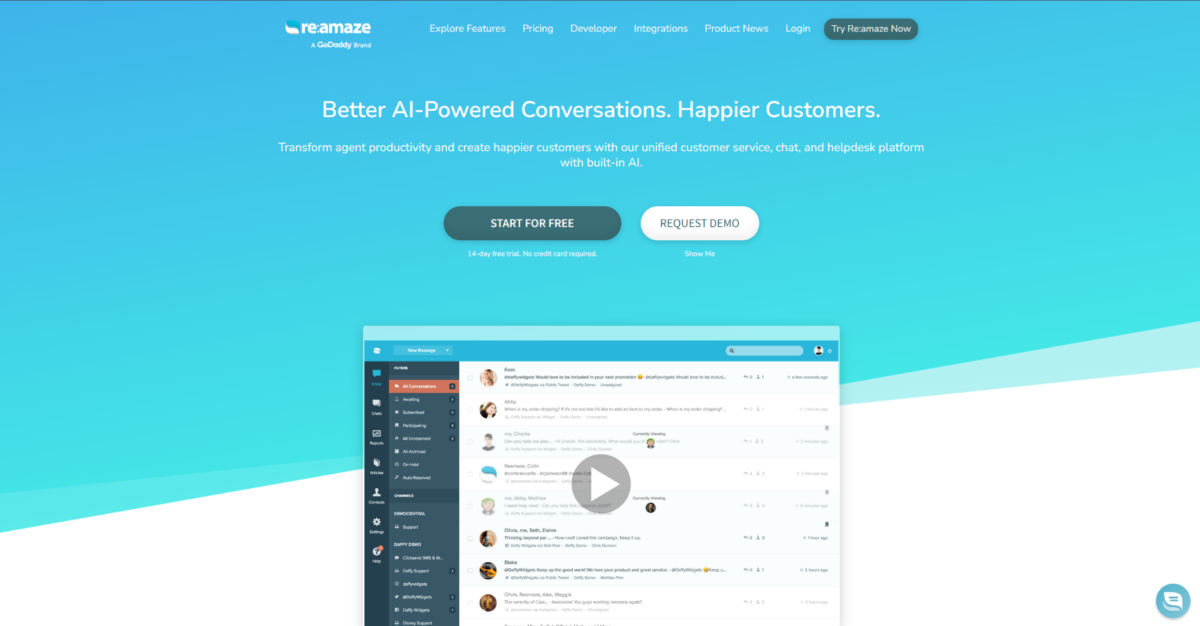
Re:amaze is a support and messaging platform for e-commerce brands that want to manage conversations across several channels. Live chat, email, SMS, social messaging, FAQ, and shared inbox workflows. Re:amaze fits teams that need flexible communication after purchase but do not want an overly heavy enterprise setup. Not a generic helpdesk clone. A practical multi-channel tool.
Re:amaze is useful when customers ask about more than delivery status. They may need help with returns, account questions, order edits, product issues, or simple support requests. Here is what it offers:
- Multi-channel messaging: Teams manage support from email, chat, SMS, and social channels.
- FAQ support: Customers find answers before contacting the team.
- Live chat: Shoppers ask quick questions after purchase or while browsing.
- Team inbox: Agents organize and respond to customer conversations more easily.
Re:amaze works well for brands that need flexible messaging and practical support tools. Less focused on shipment intelligence than WISMOlabs.
Strongest support angle. Re:amaze is strongest when a brand wants a lightweight but useful support hub. Fits teams that need chat and FAQ help alongside normal post-purchase messages.
4. Tidio
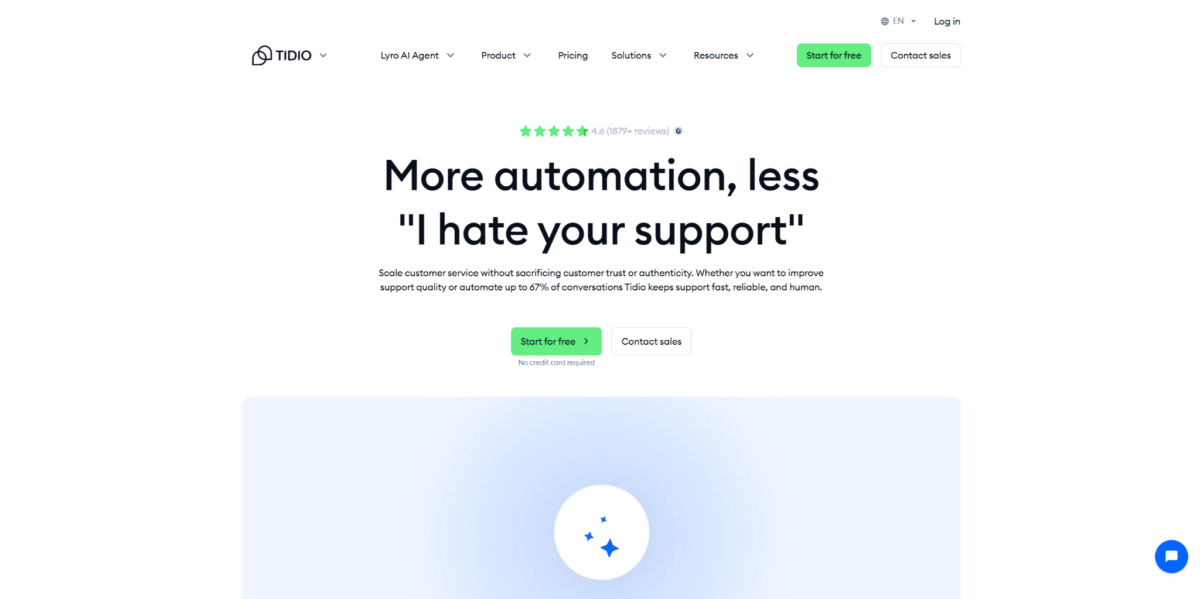
Tidio is a support tool for e-commerce brands that want live chat, AI assistance, chatbot flows, and helpdesk features. Useful when stores want to answer common questions quickly without adding too much manual work for support agents. Tidio helps with pre-purchase and post-purchase questions. Not a deep shipment tracking solution. A practical tool for smaller and mid-sized ecommerce teams that need faster support responses.
Tidio should be considered when the support team wants to answer common questions faster. Chat and AI can help customers get quick responses, especially for simple issues after checkout. Here is the breakdown:
- Live chat: Customers reach the brand quickly when they need help.
- AI replies: Common questions get answered without waiting for an agent.
- Chatbot flows: Stores guide customers through simple support paths.
- Helpdesk tools: Teams manage conversations and follow up when a human reply is needed.
Tidio is a good option for brands that want faster support and simple automation. Teams needing deep delivery context or WISMO reduction should pair it with a more shipment-focused tool.
Best support scenario. Tidio fits brands that want quick answers for repeated questions and a lower barrier to live support. Strongest when chat and AI are more important than logistics visibility.
5. Zendesk
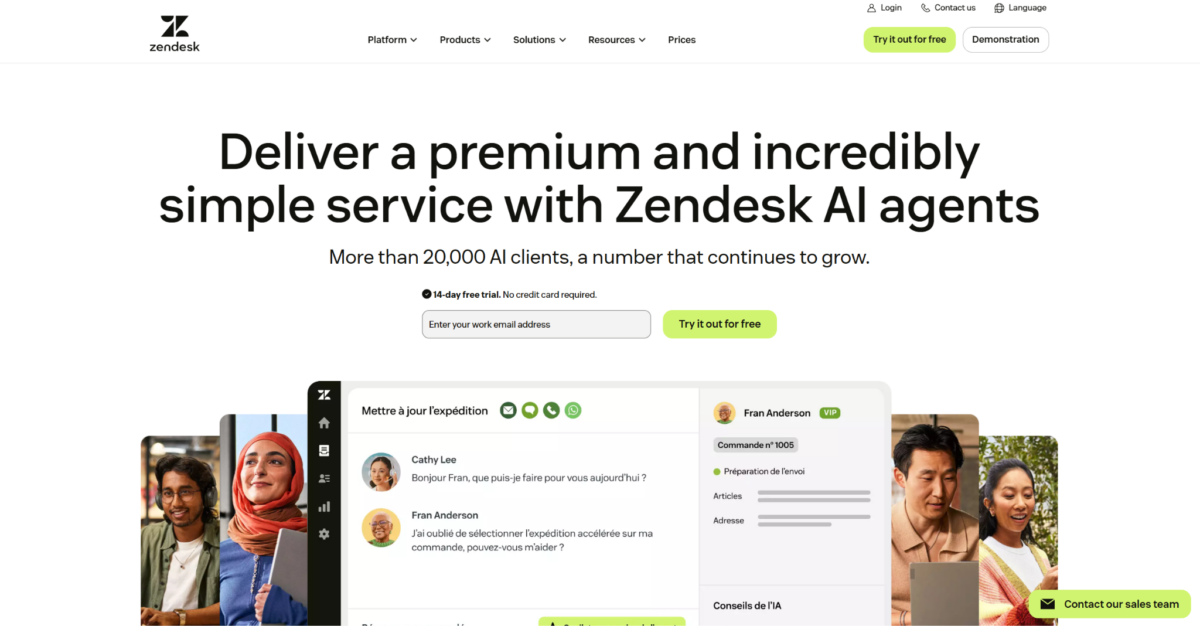
Zendesk is a broader customer service platform for e-commerce brands with larger or more complex support operations. Ticketing, AI support, help center, automation, reporting, and integrations. Zendesk is relevant when a brand needs support infrastructure beyond simple chat or order tracking. Can be powerful. May be more than smaller ecommerce teams need. Not a direct WISMOlabs alternative. Solves a different support layer.
Zendesk should be reviewed when e-commerce support has moved beyond a small inbox. Larger teams may need routing, reporting, knowledge base content, AI assistance, and consistent service workflows. Here is what it offers:
- Ticket management: Teams organize support requests across many issues and channels.
- Help center: Customers find answers without always contacting an agent.
- Automation and AI: Routine questions get routed or answered more efficiently.
- Reporting: Managers track support volume, response times, and service patterns.
Zendesk is strongest for larger support teams that need structure and scale. E-commerce brands mainly trying to prevent delivery questions may still need a shipment-focused tool like WISMOlabs.
Where Zendesk makes sense. Zendesk fits ecommerce brands with larger support teams, multiple issue types, and a need for more process control. Less specialized for delivery communication but strong as a general customer service base.
Choosing the Right Post-Purchase Support Setup
The right tool depends on the main reason customers contact support after purchase. Delivery status, delays, and order visibility? WISMOlabs should be the first option to review. Full support inbox with automation and AI? Gorgias or Zendesk may fit better. Flexible messaging? Re:amaze is useful. Chat-first support and quick automated replies? Tidio makes sense. Many e-commerce brands use a shipment-focused tool together with a helpdesk rather than choosing only one.
Final Thoughts
Post-purchase support is not only about answering tickets after they arrive. Good tools help customers find order information, get faster replies, understand delivery issues, and solve common questions without unnecessary back-and-forth. WISMOlabs is strongest for delivery-related support. Gorgias, Re:amaze, Tidio, and Zendesk cover different customer service needs. Choose based on the questions your customers ask most often after checkout. That is where you start.